

A musty basement almost always means one thing: moisture has nowhere to go. It might be water seeping through the walls, a leaky pipe, a gutter dumping rain right along the foundation, or muggy summer air settling on cold concrete. Add stale air and things mold likes to eat, like cardboard, carpet, drywall paper, and wood, and you get that smell.
Here’s what to do first:
- Stop the water. Check the pipes, water heater, and sump pump for leaks, and point your downspouts away from the house.
- Dry out the air. Run a basement-rated dehumidifier with a fan moving the air, and aim for humidity under 50 percent.
- Throw out what’s soaked. Wet cardboard, carpet pad, and stored fabric that stayed damp for a day or two are done. Toss them.
After that, a small patch of mold on a hard surface is something you can clean yourself. A big patch, or anything growing behind a wall, belongs with a specialist. Air fresheners and a coat of paint won’t fix any of it.
Why Basements Get That Musty Smell
The smell comes from gases that mold and mildew give off while they feed on whatever is around, including drywall paper, framing lumber, and carpet backing. Mold needs moisture, something to eat, and time. You can’t take every bit of food out of a basement, so moisture is the one you go after. That’s the heart of the EPA’s own advice, too: control the moisture and mold has a hard time getting started. Their Brief Guide to Mold, Moisture, and Your Home is worth a read.
Basements in Northwest Indiana have a few things working against them:
- Heavy clay soil that holds water against the foundation
- Spring thaws and big storms that raise groundwater and test the sump pump
- Muggy summers, when warm air hits cool walls and turns to water
- Storm power outages that shut off a sump pump right when you need it
Find the Source: Symptom, Likely Cause, Fix
Before you scrub or buy anything, figure out where the moisture is coming from. This table covers what we see most.
| Symptom | Likely cause | What to do |
|---|---|---|
| Smell is worst after heavy rain | Water coming in through cracks or the floor-wall joint, or poor grading outside | Clean gutters, extend downspouts, fix the grade, then look at waterproofing |
| Smell and damp feel in summer, but no leak | Condensation from humid air on cool walls and pipes | Run a dehumidifier, move the air, insulate cold water pipes |
| Dark spots at the bottom of drywall or baseboards | Water wicking up from the floor, or a slow leak | Find the leak. Cut out wet drywall. Stop if it’s more than 10 square feet |
| White, chalky powder on concrete or block | Efflorescence, minerals left behind as water passes through. It isn’t mold, but it means moisture | Brush it off and track down the water source |
| Smell near the floor drain or sump pit | A dried-out drain trap or a stagnant sump | Pour water into the drain, clean the pit, and use a sealed sump lid |
| Smell from stored boxes or carpet | Damp materials that never dried | Remove, dry, or throw them out |
| Smell with no visible mold | Hidden moisture behind a wall or under flooring | Test with a moisture meter, or bring in a specialist |
| Smell when the furnace or AC kicks on | Possible mold in ductwork or a clogged condensate line | Stop DIY work and call an HVAC pro |
If the drain smell is more like rotten eggs than damp earth, have a plumber check it out.
A quick test for condensation: tape a square of foil to a damp wall and leave it for a day. If moisture shows up on the outside of the foil, it’s humid air. If it’s on the wall side, water is coming through the wall.
What Should Basement Humidity Be?
The EPA suggests keeping indoor humidity between 30 and 50 percent, and never letting it climb above 60 percent. Once you pass 60, mold can start growing on materials that stay damp for a day or two, and your basement will start to smell.
How to measure it. Buy an inexpensive digital hygrometer and set it in the middle of the room, away from windows, doors, and the dehumidifier vent. Check it at different times of day. Summer is usually when Northwest Indiana basements run highest, so keep an eye on it from June through September.
How to lower it:
- Fix leaks first. A dehumidifier can’t keep up with a pipe that drips all day.
- Handle the outside water. Soil should slope away from the house, about 6 inches of drop in the first 10 feet. Clean the gutters and extend downspouts 5 to 6 feet from the foundation.
- Get the right dehumidifier. Many household units struggle once the air turns cool. Look for a large-capacity model made for basements, and hook it to a floor drain, sump pit, or condensate pump so you aren’t emptying a bucket. Set it around 45 percent and leave it plugged in all summer.
- Keep air moving. A small fan in dark corners prevents dead air pockets. Vent your dryer and bath fan outdoors.
- Be careful with windows. On a sticky day, opening them can pull in more moisture than it lets out.
- Wrap cold water pipes. Foam insulation keeps them from “sweating.”
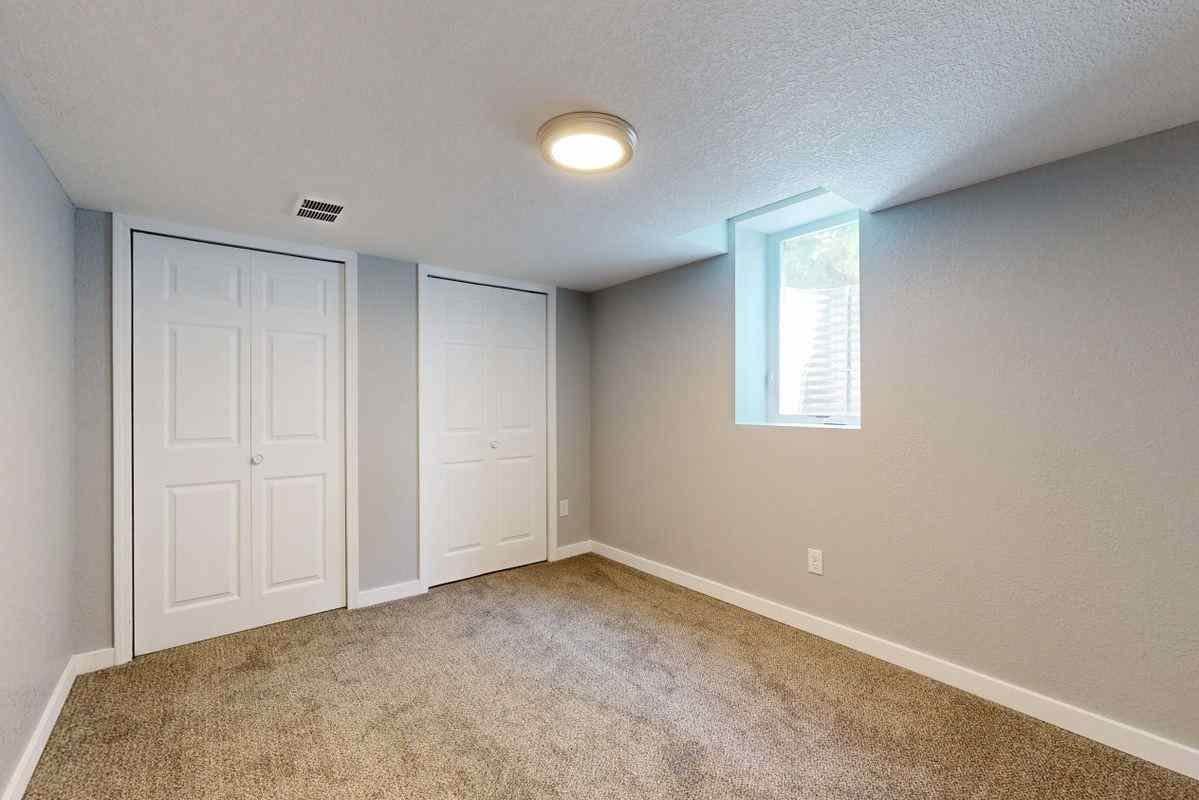
How to Get Rid of Mold in a Basement When It’s a Small Patch
The EPA says that if the moldy area is less than about 10 square feet, roughly a 3-by-3-foot patch, most people can handle it themselves. Their mold cleanup guidance is the standard to follow. Fix the water problem first, or the mold will come right back.
Protect yourself
- An N-95 respirator that fits snugly
- Goggles with no ventilation holes
- Long rubber or nitrile gloves that cover your forearms
- Old clothes you can wash right away
Clean the right way
- Open a window with a fan blowing outward, and keep kids and pets upstairs.
- Scrub hard, non-porous surfaces like concrete, tile, metal, and sealed wood with detergent and water. The EPA doesn’t recommend routine use of bleach or other mold-killing chemicals, because removing the mold and fixing the moisture is what matters.
- Dry the area fully with fans and the dehumidifier.
- Throw away porous materials with mold on them, such as drywall, ceiling tile, insulation, and carpet. Bag them in plastic before carrying them out.
What not to mix. Never combine bleach with ammonia. Plenty of glass cleaners contain it, and the mix gives off toxic fumes. Don’t mix bleach with vinegar or other acids either, since that releases chlorine gas. Pick one product, follow the label, and don’t improvise.
As for painting over mold or using “mold-killing” paint, it hides the stain and does nothing for the moisture behind it.
When Mold Is Too Big or Hidden: Know When to Stop
If any of these apply to you, pause and get in touch with a professional:
- Mold covers more than 10 square feet
- It’s behind drywall, inside a wall cavity, or under flooring
- The water came from a sewage backup or floodwater
- You think it’s in the ductwork
- Someone in the house has severe asthma or a weakened immune system
- It keeps coming back after you’ve cleaned it
Here’s where we want to be honest with you. RCD Inc is a builder. We build and remodel basements, and we aren’t a mold remediation company. Testing and cleanup of larger or hidden mold is a specialist’s job, and it should happen before any construction.
The order that works:
- A specialist finds and removes it. They locate the moisture, set up containment, remove the contaminated material, and confirm the air is clear. Many homeowners prefer to hire an inspector who is separate from the company doing the cleanup.
- Then a builder rebuilds. Once the space is clean and dry, we can repair the framing, add proper flooring, and finish the basement.
While the DIY route works for a small patch, a big job done wrong can send spores through the whole house.
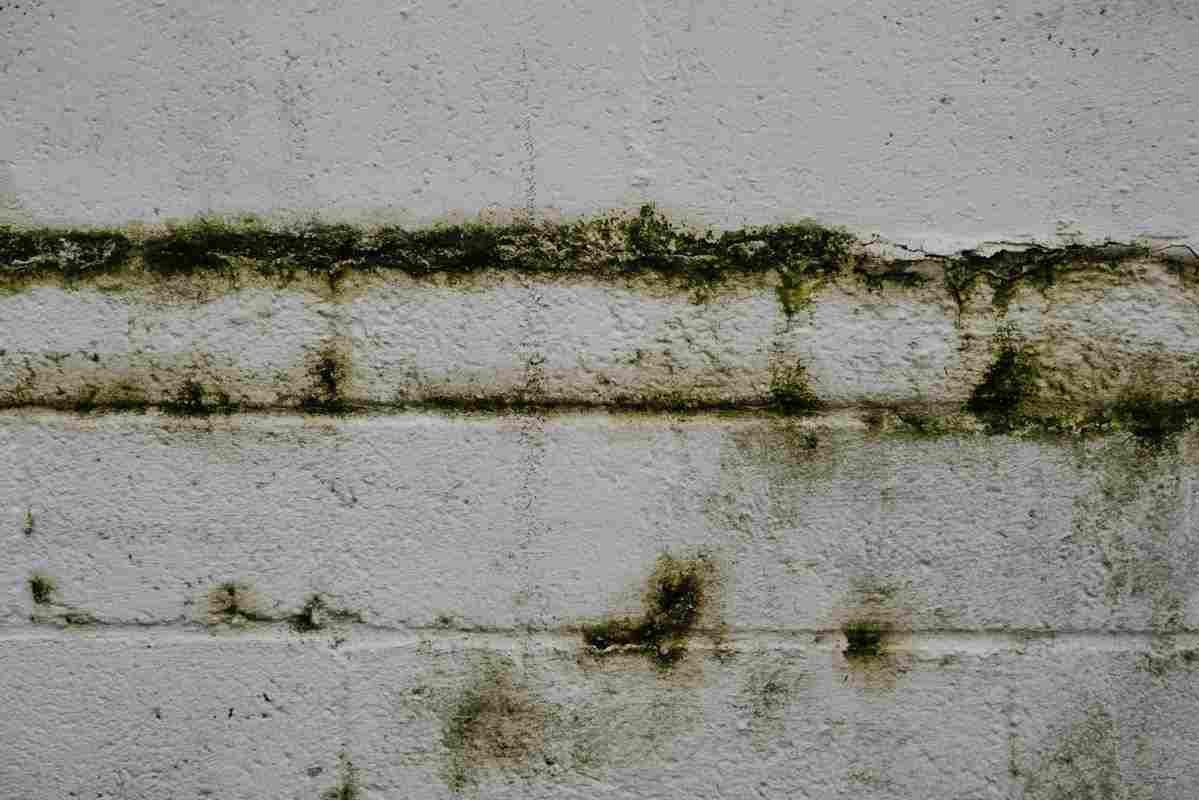
How to Keep It From Coming Back
- Leave the dehumidifier running through humid months, set around 45 percent.
- Clean gutters in spring and fall, and clear window well drains.
- Test your sump pump a couple of times a year by pouring a bucket of water into the pit. Add a battery backup if you don’t have one, since storms knock out power.
- Store things off the floor. Use plastic bins with lids on metal or plastic shelving, not cardboard on bare concrete.
- A few inches should be left between the furniture and the walls..
- Check after big storms. Look for damp spots, and glance at the hygrometer.
- Fix drips fast. A small plumbing leak can feed mold for weeks.
What This Means If You Want to Finish Your Basement
Deal with moisture first, before a single stud goes up. Framing, insulation, and drywall against a wall that still sweats or leaks is how finished basements end up with mold in a year or two. If water has ever come in, read our guide to waterproofing a basement before you finish it.
Once the space is dry, choose materials that handle dampness better:
- Mold-resistant drywall, such as paperless board, rather than standard paper-faced sheets
- Rigid foam insulation against the concrete, instead of fiberglass batts that can hold moisture
- Vinyl plank or tile on the floor rather than carpet laid on the slab
- Pressure-treated lumber for any wood sitting on concrete
- A planned dehumidifier and air supply, so the space is built to stay dry
On vapor barriers: the right layer depends on your walls, and plastic sheeting stapled over a damp wall can trap moisture. Settle that with your builder before framing starts.
Wondering what a finished space costs? See our breakdown of basement remodel costs, our finished basement ideas, and why homeowners choose basement remodeling.
FAQs
How do you get rid of mold in a basement?
Fix the moisture source, then scrub small patches (under about 10 square feet) on hard surfaces with detergent and water while wearing a respirator, goggles, and gloves. Throw away moldy porous materials and dry everything completely. Bigger or hidden mold needs a specialist.
How do I get the musty smell out of my basement?
Find and fix the moisture, clean or remove whatever is moldy, and bring humidity down to 30 to 50 percent. Odor absorbers and air purifiers can help a little, but they don’t fix the cause.
Does a dehumidifier get rid of musty smell?
It helps when moisture is the cause, because dry air slows mold growth. It won’t take the smell out of carpet, drywall, or boxes that are already moldy. Those have to be cleaned or thrown out.
Does bleach kill mold on basement concrete?
The EPA doesn’t recommend routine bleach for mold cleanup. Concrete is porous, so liquid soaks in, and fixing the moisture is what stops regrowth. Detergent and water on hard surfaces is the usual starting point. Never mix bleach with ammonia or acids.
What humidity should a basement be?
Keep it between 30 and 50 percent, and below 60 percent at all times. Watch it closely in summer, when muggy outdoor air drives the number up.
How long does it take for the musty smell to go away?
It depends on how wet things got. Once the source is fixed and everything is dry, it can fade within a week or two. If it lingers, something is still damp or still moldy.
Is basement mold dangerous?
It can irritate the eyes, nose, and throat, and it can set off asthma and allergies. People with asthma, allergies, or weakened immune systems should stay out of the area and let a professional handle it.
Can I just paint over the mold?
No. Paint hides the stain, but the moisture and the mold are still there. Clean it, dry it, and fix the water problem first.
When should I call a professional?
Call one if mold covers more than 10 square feet, is hidden behind walls or floors, followed sewage or floodwater, may be in your ductwork, or keeps returning.
Ready to Finish a Dry, Healthy Basement?
Once the moisture problem is solved and any mold has been cleared by a specialist, RCD Inc can take it from there. We handle basement remodeling for homeowners across Northwest Indiana, from framing to the finished floor. Contact us to talk through your project and schedule a free in-home estimate.


Leave a Reply
Want to join the discussion?Feel free to contribute!