
Updated for 2026. Prices in this guide are planning estimates and vary by home, soil, and contractor.
A basement waterproofing project costs $2,000 to $10,000 and can go up to $15,000 or more for large spaces.
Finishing a basement is a great way to increase the market value and add useful space to your home.
You can save thousands of dollars by protecting your new drywall or masonry, framing, and flooring from being exposed to high levels of moisture and rot.
Before your remodels, waterproofing your space ensures that your new rooms remain dry, healthy, and completely safe.
RCD Inc. is here to tell you, “How much does it cost to waterproof a basement?” so you can plan and protect your home early.
Basement Waterproofing Cost at a Glance (2026)
Most basement waterproofing projects fall between roughly $3,000 and $10,000. Interior drain tile and sump pump systems usually land in the $3,000 to $8,000 range, while exterior waterproofing starts around $8,000 and can climb past $15,000 on deep foundations or full-perimeter jobs. Many contractors price by size, so a useful rule of thumb is a few dollars up to about $10 per square foot, depending on the method. These are planning estimates. Your final quote depends on your foundation, your soil, and how much water you are actually dealing with.
How Much Does It Cost to Waterproof a Basement?
If the worry of “How much does it cost to waterproof a basement?” is stopping you from protecting it, you should know that it varies depending on the local surroundings in which you live.
Northwest Indiana Climate Challenges
In Northwest Indiana, these seasonal conditions are extremely harsh:
- Heavy Clay Soil: Retains a large amount of water and can form a tight seal against your foundation walls.
- Severe Spring Thaw: Excessive melting of winter snow and heavy spring rains cause groundwater levels to rise.
- Hydrostatic Pressure: The weight of water in the ground pushes water through porous concrete.
Why You Must Fix Moisture First
There are several important reasons why it is important to do this project before completion:
- Prevents Toxic Mold: Decreases the likelihood of potentially harmful mold spores growing quietly behind your new finished walls.
- Easier Structural Access: Makes it easier for contractors to repair those foundation cracks before putting the concrete back on.
Signs Your Basement Needs Waterproofing
Look for these warning signs before you pour money into finishing:
- A musty smell that returns even after cleaning.
- White, chalky mineral deposits on concrete or block walls.
- Peeling paint or bubbling coatings.
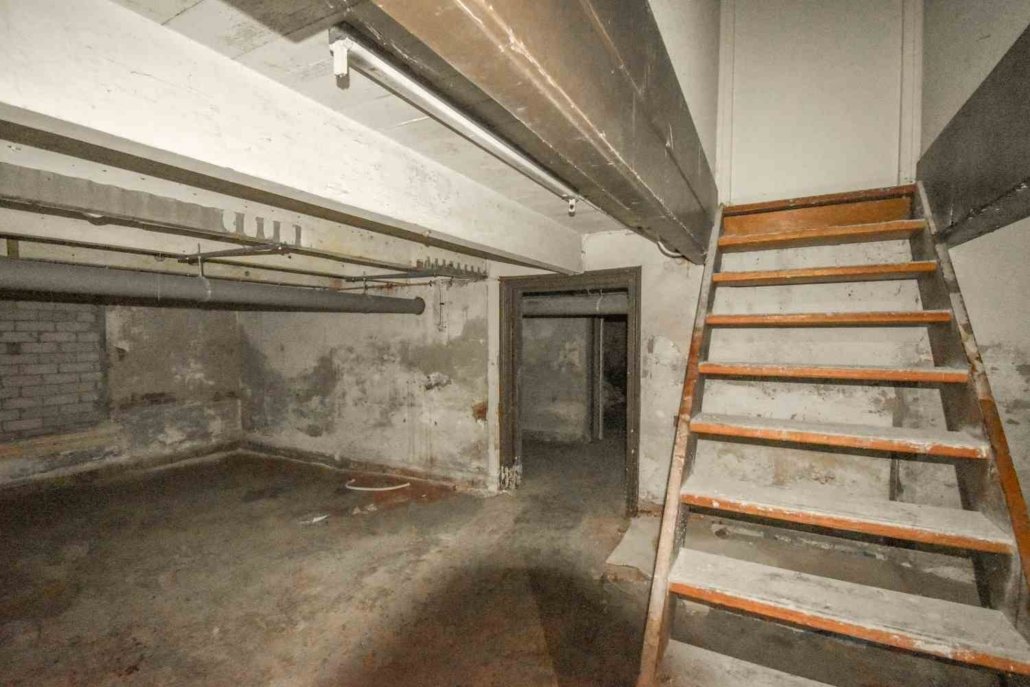
- Damp patches, rust stains on the floor, or water at the base of the walls.
- Rising humidity or condensation on cold surfaces.
- Warped stored boxes or cupped wood near the walls.
Waterproofing vs. Dampproofing vs. Vapor Barriers
These terms are not interchangeable. Dampproofing is a thin coating that slows moisture but does not stop liquid water. Waterproofing is a system, such as a membrane, drain tile, or sump, designed to keep out or redirect liquid water under pressure. A vapor barrier limits moisture moving through the wall as vapor, which matters once you insulate and finish. A finished basement often needs more than one of these, so make sure your quote says exactly which layers you are paying for.
How to Waterproof Basement Walls: Comparing Methods
How do you waterproof a basement? is a question most homeowners find themselves asking before building one.
| Methods | How Much Does Basement Waterproofing Cost | Best For | Physical Limitations |
|---|---|---|---|
| Exterior Waterproofing | $8,000 to $15,000+ | Complete protection of deep foundations | Extensive yard excavation is required. |
| Interior Drain Tile and Sump Pump | $3,000 to $8,000 | High rising groundwater tables are managed. | Does not prevent water from seeping through walls |
| Sealants and Coatings | $1,000 to $3,000 | Blocks small vapor forces within concrete | Fails to manage hydrostatic pressure |
| Crack Injection | $350 to $800 per crack. | Sealing foundation and wall fissures | Works on targeted, non-structural leaks |
| Grading and Gutters | $500 to $2,500 | Directing surface rainwater away | Will not solve rising underground water |
Key Cost Factors?
The method you choose and where your property is located are the variables in your basement waterproofing quote:
- Water Table: High water table levels require power sump pumps.
- Property Access: The close proximity of homes prevents the use of heavy equipment.
- Condition of foundation: A stable foundation is easy to work on.
How Much to Waterproof a Basement Based on the Problem
The same basement can cost very different amounts depending on what is wrong with it. Use this as a starting point for your budget.
| What you are dealing with | Typical fix | Planning range |
|---|---|---|
| Surface runoff and damp air | Gutter cleaning, downspout extensions, regrading | $500 to $2,500 |
| A few isolated cracks | Epoxy or polyurethane crack injection | $350 to $800 per crack |
| Seepage at the floor-wall joint | Interior drain tile and sump pump | $3,000 to $8,000 |
| Minor vapor and dampness | Sealants and coatings | $1,000 to $3,000 |
| Persistent flooding or deep foundation | Exterior excavation and membrane | $8,000 to $15,000+ |
How to Waterproof a Basement: The Professional Process
- Diagnose the source. The crew checks cracks, the floor-wall joint, window wells, grading, and gutters to find out where water enters.
- Fix the outside first. Clearing gutters, extending downspouts, and regrading the soil away from the foundation often solve part of the problem cheaply.
- Repair structural cracks. Cracks are injected or sealed before any new system goes in.
- Choose the system. The method follows the problem: sealants for minor vapor, interior drainage for floor-level water, exterior membrane for serious or recurring flooding.
- Install drainage. Interior jobs add perimeter drain tile that leads to a sump pit and pump, ideally with a battery backup.
- Test before you finish. Let the basement go through a heavy rain with no moisture before framing and drywall begin.
Interior or Exterior: Which Fits Your Basement?
If water mainly appears at the floor edge or seeps through walls after storms, interior drainage is usually the most cost-effective choice. If you have deep foundations, repeated flooding, or damaged walls, exterior waterproofing treats the problem before water reaches the wall, but it costs more because of excavation. A professional inspection should make this call, not the lowest bid.
Finding Water Sources and Remodeling Workflow
To make a successful project, you should know exactly how to get basement waterproofing done, track the problem, and solve it.
How to locate the water source
- Inspect Foundation Cracks: Inspect for foundation cracks that are vertical or diagonal in the concrete.
- Check Window Wells: Make sure there are no pools of rainwater in outdoor window wells.
- Test Exterior Grading: Walk outside during a rain and observe if dirt runs towards your home.
- Inspect Pipes and Drain Lines: Eliminate any live leaks in pipes or drain lines.
- Test for Condensation: Tape foil to the wall; if a fog forms on top, then high humidity is the problem.
Pre-Finishing Checklist
- 14 consecutive days of no drips or wetness to concrete walls.
- All outside gutters are clear, and downspouts are at least 6 feet long.
- The outside soil slopes away from the foundation plates.
- The sump pump has a complete battery backup system.
DIY Steps vs. When to Call a Pro
- DIY Projects: Cleaning, extending downspouts, and brushing interior vapor barrier paints.
- Call a Pro: Structural crack injection and digging interior French drains and digging exterior drains.
Waterproofing for a Remodel: How It Fits In
- Plan and seek expert advice to inspect the foundation shell.
- Obtain official building and structural permits from the city.
- Install pumps and drain tiles.
- Wait for a good rainstorm to be sure that the area remains dry.
- Start the basic carpentry, electrical, and drywall projects after waterproofing.
Hidden Costs and Ways to Save
Watch for these line items that are not always in the first quote: permits, electrical work for the sump pump, concrete patching after trenching, landscaping or deck repair after exterior digging, and a dehumidifier. Also note that homeowners insurance often does not cover groundwater seepage, so check your policy before you rely on it.
You can lower the total by fixing gutters and grading first, handling only what the inspection proves necessary, and scheduling waterproofing together with your remodel so the same crew and permits cover both. To see how this fits into a full project budget, read our guides on basement remodel costs and residential basement remodeling costs and upgrades.
Keep the Moisture Out After You Finish
Waterproofing works best alongside humidity control. The EPA recommends keeping indoor humidity below 60 percent, ideally between 30 and 50 percent. A basic hygrometer will tell you where you stand, and a dehumidifier helps in humid months. Use moisture-resistant finishes such as mold-resistant drywall, rigid foam insulation, and vinyl plank or tile flooring, and leave a small gap behind baseboards. The EPA’s guide to mold, moisture, and your home explains why controlling moisture is the key to controlling mold.
Why Depend on Professionals?
Professional companies offer the following features:
- Ensures the working team is aware of building load capacity.
- Legally safeguards the future resale value of your home by providing transferable lifetime warranties.
- Active insurance for damage that occurs during heavy excavation work.
Questions to Ask Before You Hire
- What caused the water problem, and how will your system address that cause?
- Is the warranty in writing, and does it transfer to a new owner?
- Does the price include permits, cleanup, and repair of any concrete or landscaping you disturb?
- Will you leave a battery backup with the sump pump?
- Who coordinates the waterproofing with the rest of my remodel?
Basement Waterproofing Across Northwest Indiana
Soil and groundwater vary between towns, and so do local requirements. RCD Inc works with homeowners in Crown Point, Dyer, Highland, Munster, Schererville, and St. John, so we know how local clay and spring thaws affect basements.
Conclusion
Knowing the actual waterproofing cost will help you to prevent mold and ruin in your finished basement rooms.
Your moisture problem should be solved first to ensure that you don’t waste your remodeling money.
Call a professional and let them take care of drainage so you have a warm, dry basement space for years to come.
Ready to finish your basement the right way? Start with a dry foundation. Explore our basement remodeling services, browse our project gallery, or contact RCD Inc to talk through your project.
FAQs
Can I finish the basement if it leaks only in extreme spring thaws of Northwest Indiana?
No, even if it leaks once a year, your drywall and carpet will be destroyed.
Why is it difficult to waterproof the basement in heavy clay soil?
Clay soil is like a sponge and can expand and hold water against your walls, which creates hydrostatic pressure.
How many hours does it take for a professional to waterproof a basement?
The time required for most complete interior drain tile installations is 2 to 4 days.
Is a battery backup pump for my sump necessary for waterproofing work?
Yes, residential electrical power lines are often knocked down by severe thunderstorms. A battery backup is essential to ensure your pump continues to function.
How should I seal a wall crack in my basement?
You can seal the crack by injecting epoxy or a polyurethane coating.
How much does it cost to waterproof a basement?
Most homeowners pay roughly $3,000 to $10,000. Interior drainage commonly costs $3,000 to $8,000, and exterior systems start around $8,000 and can exceed $15,000.
How much does basement waterproofing cost per square foot?
A common planning range is about $3 to $10 per square foot, depending on the method, depth, and access.
How do you waterproof basement walls?
Seal cracks, apply a coating or membrane where appropriate, and install drainage that carries water to a sump. For serious leaks, exterior waterproofing treats the wall from the outside.
Is basement waterproofing worth it before finishing?
Yes. Fixing moisture first protects your drywall, flooring, and framing, and it costs far less than replacing finished materials later.
What is the difference between waterproofing and dampproofing?
Dampproofing slows moisture with a thin coating. Waterproofing is a system built to handle liquid water and pressure.
Can I waterproof my basement myself?
You can handle gutters, downspouts, and small coatings. Cracks, drain tile, and exterior digging should be done by professionals.


Leave a Reply
Want to join the discussion?Feel free to contribute!