
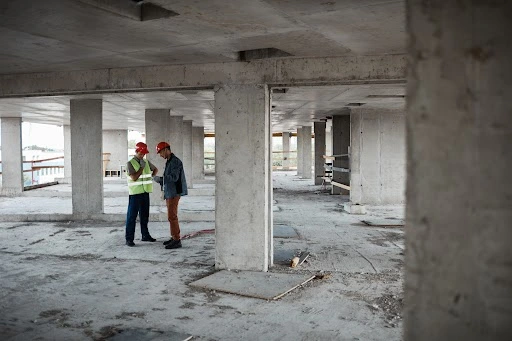
Modern architectural design is about more than creating visually appealing buildings. Today’s commercial spaces must be functional, efficient, sustainable, and adaptable to future business needs. Commercial construction plays a critical role in transforming architectural concepts into safe, code-compliant, and fully operational structures.
From office buildings and retail centers to industrial facilities and mixed-use developments, commercial construction bridges the gap between innovative design and real-world functionality. Through strategic planning, advanced construction techniques, and collaboration between architects, engineers, and contractors, businesses can achieve buildings that support productivity, sustainability, and long-term growth.
At RCD Inc, we help businesses throughout Crown Point, IN, and Northwest Indiana bring modern architectural visions to life through professional commercial construction services that prioritize quality, efficiency, and performance.
What Is Commercial Construction?
Commercial construction refers to the planning, development, and construction of buildings used for business purposes. These projects may include:
- Office Buildings
- Retail Stores
- Restaurants
- Healthcare Facilities
- Warehouses
- Manufacturing Facilities
- Educational Buildings
- Mixed-Use Developments
The commercial construction process involves multiple disciplines, including construction management, structural engineering, project planning, site development, building code compliance, and sustainable building practices.
How Does Commercial Construction Support Modern Architectural Design?
Commercial construction supports modern architectural design by converting architectural concepts into practical, functional, and structurally sound buildings. Construction professionals ensure designs meet safety standards, building regulations, project budgets, and operational requirements without compromising the architect’s vision.
Successful projects require collaboration between architects, engineers, contractors, and project managers from concept through completion.
The Relationship Between Architecture and Construction
Architecture and construction are closely connected. While architects create the design, commercial contractors bring those plans to reality.
A successful commercial project depends on:
- Accurate planning
- Structural feasibility
- Material selection
- Cost management
- Construction scheduling
- Building code compliance
- Quality control
When architects and contractors work together early in the process, projects often experience fewer delays, reduced costs, and improved outcomes.
Enhancing Innovative Building Design
Modern commercial architecture often incorporates:
- Open floor plans
- Floor-to-ceiling glass systems
- Flexible workspaces
- Energy-efficient systems
- Sustainable materials
- Smart building technologies
These innovative design features require skilled construction teams capable of implementing complex building systems while maintaining safety and structural integrity.
Commercial contractors evaluate architectural concepts and identify practical solutions that help achieve design objectives while meeting budget and scheduling requirements.
Design-Build Construction Improves Project Success
One of the fastest-growing approaches in modern construction is the Design-Build method.
Under a design-build model, architects, engineers, and contractors work as a unified team throughout the project lifecycle.
Benefits of Design-Build Construction
| Benefit | Advantage |
|---|---|
| Faster Project Delivery | Reduces delays between design and construction phases |
| Better Communication | Improves collaboration among project stakeholders |
| Cost Control | Identifies budget concerns early |
| Improved Efficiency | Streamlines decision-making |
| Reduced Risk | Minimizes conflicts and change orders |
This integrated approach allows commercial projects to move from concept to completion more efficiently.
Sustainable Construction Supports Modern Architecture
Sustainability has become a major focus of commercial architectural design.
Many businesses now seek environmentally responsible buildings that reduce operating costs and support long-term environmental goals.
Popular sustainable construction practices include:
- Energy-efficient HVAC systems
- LED lighting systems
- Solar-ready infrastructure
- Recycled building materials
- Water conservation systems
- High-performance insulation
- Green roofing systems
These features can help improve energy performance, reduce utility costs, and contribute to sustainability certifications such as LEED.
Building Information Modeling (BIM) Enhances Accuracy
Modern commercial construction increasingly utilizes Building Information Modeling (BIM).
BIM technology creates detailed digital building models that improve project planning and coordination.
Benefits of BIM include:
- Improved design visualization
- Better collaboration
- Reduced construction errors
- More accurate cost forecasting
- Enhanced project efficiency
By identifying potential issues before construction begins, BIM helps reduce delays and costly revisions.
Smart Construction Improves Efficiency
Technology continues to transform the construction industry.
Modern new construction methods help improve productivity while maintaining quality and safety standards.
Examples include:
- Digital project management platforms
- Drone site inspections
- Prefabricated building components
- Advanced scheduling software
- Real-time progress tracking
- Automated quality control processes
These innovations help commercial projects stay on schedule and within budget.
How Commercial Construction Improves Building Functionality
Today’s commercial buildings must do more than look impressive. They must support business operations and enhance user experiences.
Commercial construction contributes to functionality by improving:
Space Utilization
Efficient layouts maximize productivity and operational flow.
Employee Comfort
Proper lighting, ventilation, and workspace design support employee well-being.
Customer Experience
Strategic layouts create more welcoming and efficient environments for visitors.
Operational Efficiency
Modern systems improve building performance and reduce operating expenses.
Commercial Construction Cost Factors
One of the most common questions business owners ask is:
How Much Does Commercial Construction Cost?
Commercial construction costs vary based on several factors.
| Cost Factor | Impact on Budget |
|---|---|
| Building Size | Larger projects require more materials and labor |
| Design Complexity | Unique designs increase construction requirements |
| Materials | Premium materials increase costs |
| Site Conditions | Site preparation may add expenses |
| Permits & Regulations | Local compliance requirements affect costs |
| Construction Timeline | Accelerated schedules may increase labor costs |
Working with experienced commercial contractors helps businesses develop accurate budgets and avoid unexpected expenses.
Safety and Compliance Remain Top Priorities
Commercial buildings must comply with strict safety standards and regulations.
Construction teams ensure compliance with:
- Structural codes
- Fire safety requirements
- Accessibility regulations
- Electrical codes
- Environmental regulations
- Occupational safety standards
Maintaining compliance throughout construction helps reduce liability and supports long-term building performance.
Future-Friendly Construction for Growing Businesses
Businesses evolve, and modern buildings should be able to evolve with them.
Future-ready construction strategies include:
- Flexible floor plans
- Expandable infrastructure
- Modular building systems
- Smart technology integration
- Energy-efficient upgrades
These design considerations help businesses adapt to changing operational requirements without major renovations.
Why Experience Matters in Commercial Construction
Every commercial project presents unique challenges.
Experienced contractors understand how to manage:
- Budget constraints
- Scheduling requirements
- Material procurement
- Regulatory compliance
- Construction logistics
- Quality assurance
A knowledgeable construction team helps reduce risks while delivering buildings that meet both business and design objectives.
Why Businesses Choose RCD Inc in Crown Point, IN
Businesses throughout Crown Point, IN, Lake County, and Northwest Indiana trust RCD Inc for commercial construction services because of our commitment to quality, communication, and project success.
Our team works closely with architects, engineers, and property owners to deliver commercial projects that combine innovative design, structural integrity, and long-term functionality.
Whether constructing office buildings, retail developments, industrial facilities, or other commercial properties, we focus on delivering efficient solutions tailored to each client’s goals.
Conclusion
Commercial construction is a vital component of modern architectural design. It transforms innovative concepts into safe, efficient, sustainable, and fully functional buildings that support long-term business success.
Through advanced planning, sustainable construction practices, modern technology, and collaborative project management, commercial construction professionals help architects bring creative visions to life while ensuring structural integrity, code compliance, and operational efficiency.
At RCD Inc, we are committed to delivering high-quality commercial construction services throughout Crown Point, Indiana, and surrounding communities. Our goal is to create buildings that not only meet today’s needs but continue to provide value for years to come.
Frequently Asked Questions
What is commercial construction?
Commercial construction involves the planning, development, and construction of buildings used for business purposes, including offices, retail stores, warehouses, healthcare facilities, and industrial properties.
How does commercial construction support architectural design?
Commercial construction transforms architectural plans into functional structures while maintaining design intent, safety standards, and building code compliance.
What is the design-build construction process?
Design-build is a project delivery method where designers and contractors work together under one contract, improving communication, efficiency, and project outcomes.
How long does commercial construction take?
Project timelines vary based on size and complexity. Small commercial projects may take several months, while larger developments can require a year or more.
What factors affect commercial construction costs?
Building size, materials, site conditions, design complexity, permits, labor requirements, and project schedules all influence construction costs.
What is BIM in commercial construction?
Building Information Modeling (BIM) is a digital planning tool that helps architects, engineers, and contractors improve project coordination and reduce errors before construction begins.
Are sustainable commercial buildings worth the investment?
Yes. Sustainable buildings can lower operating costs, improve energy efficiency, enhance occupant comfort, and support long-term environmental goals.
Why should I hire an experienced commercial contractor?
Experienced contractors help manage budgets, schedules, compliance requirements, and construction challenges while ensuring quality workmanship and successful project completion.



Leave a Reply
Want to join the discussion?Feel free to contribute!