
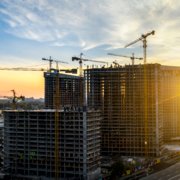
Commercial construction in 2026 refers to the use of AI-driven technologies, modular methods, and sustainable design to deliver efficient, cost-effective buildings. Leaders in the industry are implementing new technologies, such as AI, robotics, and smart building solutions that enhance efficiency, safety, and sustainability. Modular construction, adaptive reuse of buildings, and occupant health and wellness have also influenced building design and project delivery. Rising infrastructure spending and growing demand for data centers continue to explode this growing market, while also providing added pressure to the supply chain and cost of materials, ensuring that resilience and innovation remain top priorities for success in this rapidly evolving industry.
11 Must-Know Commercial Construction Trends for 2026
Staying informed about emerging trends is essential for ongoing success in commercial construction in Munster, IN. At RCD Inc., we understand that adapting to industry shifts ensures project excellence, competitive advantage, and long-term growth. Embracing innovation and foresight is key to thriving in today’s evolving marketplace.
Here is your 2025 guide to 11 commercial construction trends:
AI and Machine Learning
The integration of AI and machine learning will allow construction companies to increase efficiency through predictive analytics, which will assist in predicting delays, optimizing resource allocations, and recognizing and mitigating risks.
Robotics and Automation
Robots and automated tools will be utilized much more in the performance of repetitive and dangerous tasks, such as bricklaying, welding, and demolishing buildings, improving safety and compensating for labor shortages.
Smart Building Technology and IoT
IoT sensors will allow smart buildings to use automated systems, lighting, HVACs, and security, which will increase energy efficiency while using predictive maintenance systems to alert managers of equipment failure.
Modular and Prefabricated Construction
This construction method provides a way to address labor shortages and tight timelines when building sections off-site. This will provide faster project completion, cut down waste, and improve quality control of the building.
Advanced Building Information Modeling (BIM)
BIM is developing from 3D modeling and is adding 6D (sustainability performance) and 7D (facility management) to support informed decision-making through a building’s full lifecycle.
Enhanced Safety Technology
The future of construction will utilize new technologies to make job sites safer, including wearable tech smart vests, smart helmets, and drones. Wearable technology can monitor the health of the worker, while wearing technology can perform the inspections of a jobsite and allow drones to reduce jobsite hazards.
Adaptive Reuse
Rather than constructing from scratch, adaptive reuse entails the repurposing of an existing, old, or underutilized building for a new commercial use. This is a more sustainable, cost-effective, and expedited process than ground-up construction.
Focus on Wellness and Occupant Experience
As commercial space design continues to evolve, there is an increasing emphasis on the well-being of occupants. This could include biophilic design elements, improved ventilation, and natural daylighting, particularly in offices and retail environments.
Continued Supply Chain and Cost Pressures
The industry will continue to grapple with challenges from supply chain disruption and high costs of materials. This will further necessitate reliance on digital procurement solutions and an emphasis on diversified sourcing strategies around volatility.
Demand for Data Centers
The proliferation of artificial intelligence and advanced computing has created a boom in data center construction. This has created vibrant demand for specialized electrical equipment and significant government-backed investment incentives.
Increased Infrastructure Spending
Large-scale public and private infrastructure projects will continue to stimulate growth in the commercial construction industry as a result of government initiatives driving investment in transportation, energy, broadband, and manufacturing.
Conclusion
The commercial construction industry is experiencing a quick change in 2025, driven by new technologies and changing market demands. Industry leaders are adopting new technology such as artificial intelligence, robotics, and smart building solutions to ensure improved efficiency, safety, and sustainability. Alongside the adoption of new technology, building design and project delivery are being influenced by modular construction, adaptive reuse, and occupant wellness. The industry continues to grow from increased infrastructure spending and heightened demand for data centers, while supply chain issues and material costs are being put into perspective, which require resilience and innovation as key traits to succeed in this fluid business environment.
FAQs
1. What are the top commercial construction trends to watch in 2026?
Key commercial construction trends in 2026 include sustainable building practices, artificial intelligence, smart building technology, modular construction, advanced materials, and energy-efficient designs.
2. How is AI changing commercial construction in 2026?
AI is helping commercial construction companies improve project planning, cost estimation, scheduling, risk management, design, and jobsite safety while reducing delays and inefficiencies.
3. Why is sustainable construction becoming more important in 2026?
Sustainable construction helps businesses reduce energy consumption, operating costs, and environmental impact while meeting growing demand for energy-efficient and environmentally responsible buildings.
4. Is modular construction a major trend in commercial building?
Yes. Modular and prefabricated construction can shorten project timelines, improve quality control, reduce material waste, and lower labor requirements, making them increasingly attractive for commercial projects.
5. What technology will have the biggest impact on commercial construction in 2026?
AI, Building Information Modeling (BIM), drones, digital twins, IoT sensors, and construction management software are among the technologies expected to have a significant impact on commercial construction in 2026.
